
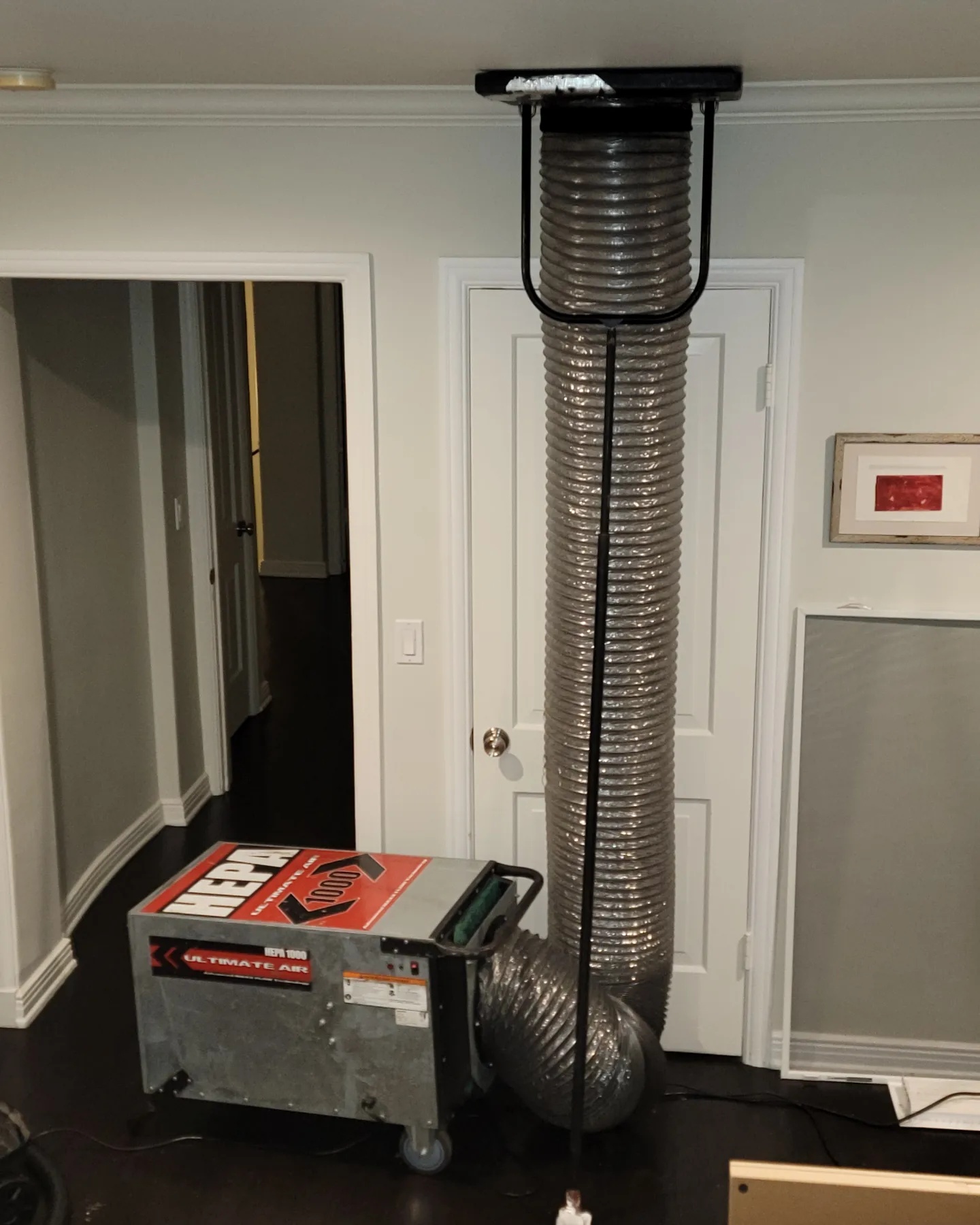
How smoke gets inside
According to the U.S. EPA, outdoor smoke enters homes in three main ways:
- Open windows and doors
- Ventilation such as exhaust fans and fresh-air intakes
- Small gaps in the building
A central heating and cooling system does not create smoke, but it moves air through the whole house. That is why its filter matters.
During a smoke event
- Upgrade the filter. The EPA recommends an HVAC filter rated MERV 13 or higher during smoky periods, if your system can take one. Check your system's manual or ask an HVAC technician; some older systems are not designed for denser filters.
- Keep outdoor air out. If your system has a fresh-air intake, close it or set the system to recirculate.
- Consider a portable air cleaner for the room you use most.
After the smoke clears
- Replace the filter. One that ran through a smoke event has been working hard.
- Air out the house once outdoor air quality improves.
- Wipe down surfaces where ash has settled, including supply registers and return grilles.
- Look before you clean the ducts. The EPA does not recommend routine duct cleaning, only cleaning when it is needed, so the sensible first step after heavy smoke or ash is an inspection.
When a duct inspection makes sense
- Ash or soot is visible inside registers or the return, not just on the grille
- The home was close to a fire, or windows were open during heavy ash fall
- Debris blows out of the registers when the system starts
- You are buying a home in an area recently affected by smoke
We can inspect your ducts with a camera and show you what is inside. If they are in good shape, we will tell you so. See air duct cleaning in Los Angeles, Orange County, Santa Clarita and Simi Valley.
What we don't claim
Duct cleaning is not a medical treatment. If you have health concerns about smoke exposure, follow your doctor's and local public health guidance.