
Common setups in older homes
- Floor furnace: a grate in the hallway floor with the furnace below in the crawl space. No ducts.
- Wall furnace: a heater set into an interior wall. No ducts.
- Retrofitted central system: a forced-air furnace or air conditioner added later, with ducts in the crawl space or a low attic.
- Ductless mini-splits: common in remodels. No ducts, but the indoor units need their own maintenance.
What to check first
If your home has a fuel-burning furnace, floor furnace or wall furnace, the EPA recommends having it inspected and serviced before each heating season. That is a job for a qualified heating contractor, separate from duct cleaning, and it comes first.
When older ducts need a look
The EPA's guidance is to clean ducts when needed, not routinely. In an older home, good reasons for an inspection are:
- You just bought the house and do not know the system's history
- A remodel may have sent construction dust into the ducts
- There are signs of pests or debris in the ducts
- There is substantial visible mold on hard duct surfaces. The EPA notes the moisture problem must be fixed first, and wet or moldy insulated ducts may need replacing rather than cleaning.
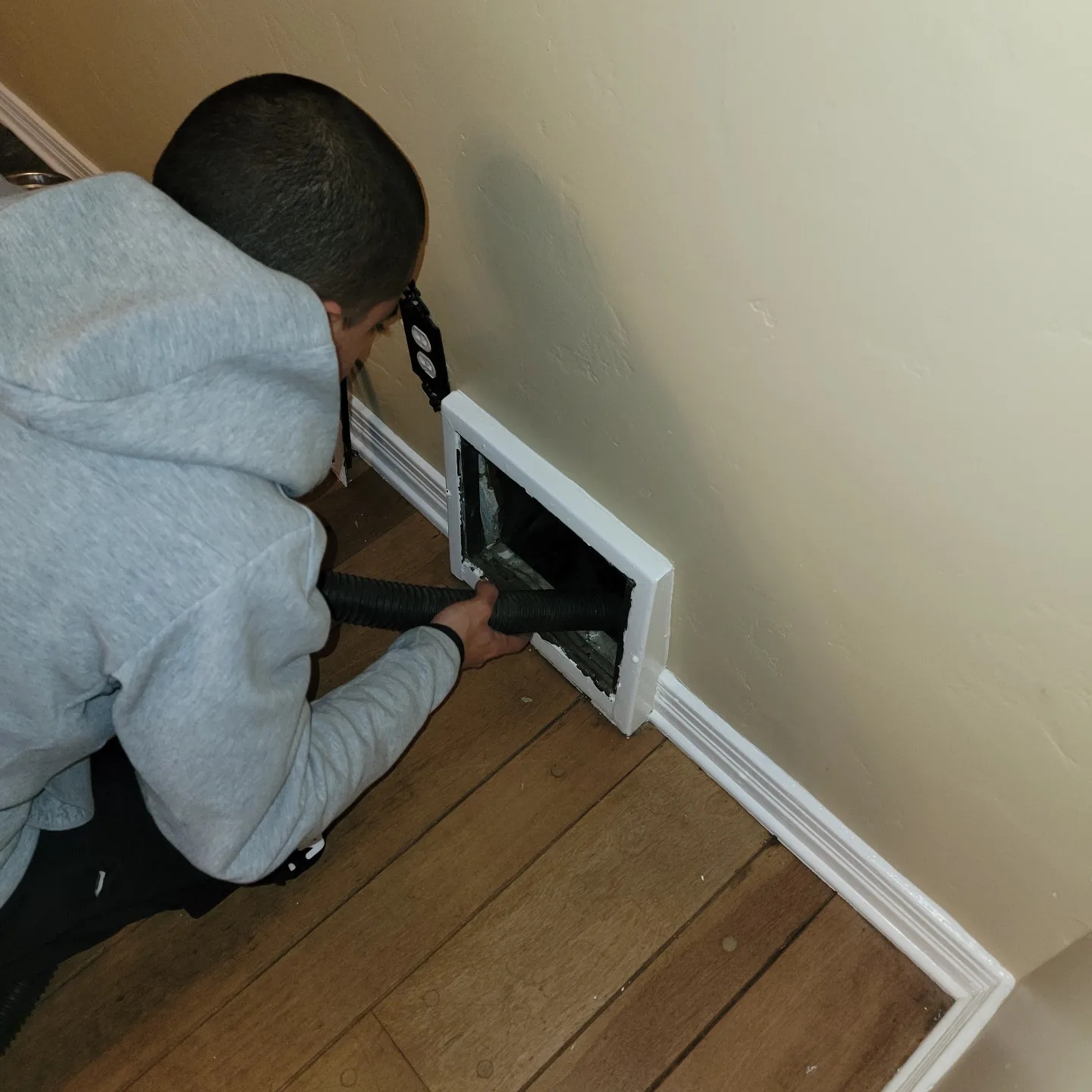
Crawl-space and low-attic ducts can be tight or partly out of reach. A camera inspection shows what is reachable before you commit to anything. See Long Beach, Fullerton, Orange and Glendale & Pasadena.
Comfort and energy
Old ducts can leak at joints after decades of settling. The EPA notes there is little evidence that cleaning alone improves efficiency. If some rooms are hard to heat or cool, ask an HVAC contractor about sealing or repair.
No ducts?
Then you do not need duct cleaning, and we will tell you that honestly when you call.